Why breakfast sets the tone
After eight to twelve hours without food, a child’s blood sugar is low and their patience is thinner than ours at 7 a.m. Breakfast is not about perfection; it is about steady energy until the mid-morning snack.
Indian homes already have the right building blocks: fermented batters, millets, lentils, and fruit. The shift is portion size, texture, and letting the child help assemble the plate.
Plates that work for ages 2–7
Ages 2–3: soft idli pieces, banana, warm dal water, or ragi porridge sweetened with jaggery. Keep everything bite-sized and slightly warm.
Ages 4–6: mini uttapam with vegetable faces, vegetable paratha strips with curd, or poha with peanuts removed if needed. Offer one familiar food plus one new colour.
Ages 6–8: dosa rolls with potato filling, upma with peas, or eggless French toast made with whole wheat. Let them pour chutney from a small bowl — control reduces refusal.
- One grain (idli, dosa, roti, ragi)
- One protein (moong dal, milk, curd, peanut chutney)
- One fruit (banana, papaya, orange segments)
- Water before juice
Crowd favourites from busy kitchens
Mini uttapam: pour small circles on the tawa, let your child place grated carrot and corn as eyes. The face buys you two extra bites every time.
Overnight oats with cardamom and mango work when you cannot grind batter. Ragi malt on cold mornings fills the belly in a small cup.
If a child rejects everything, offer plain curd rice with ghee and cumin — bland is okay when they are unwell or anxious about school.
Routines parents can keep
Soak rice and urad dal on Sunday for weekday idlis. Keep roasted peanuts and grated coconut ready for quick chutney.
Sit for ten minutes together without phones. Your calm chewing teaches pace; rushing teaches gulping.
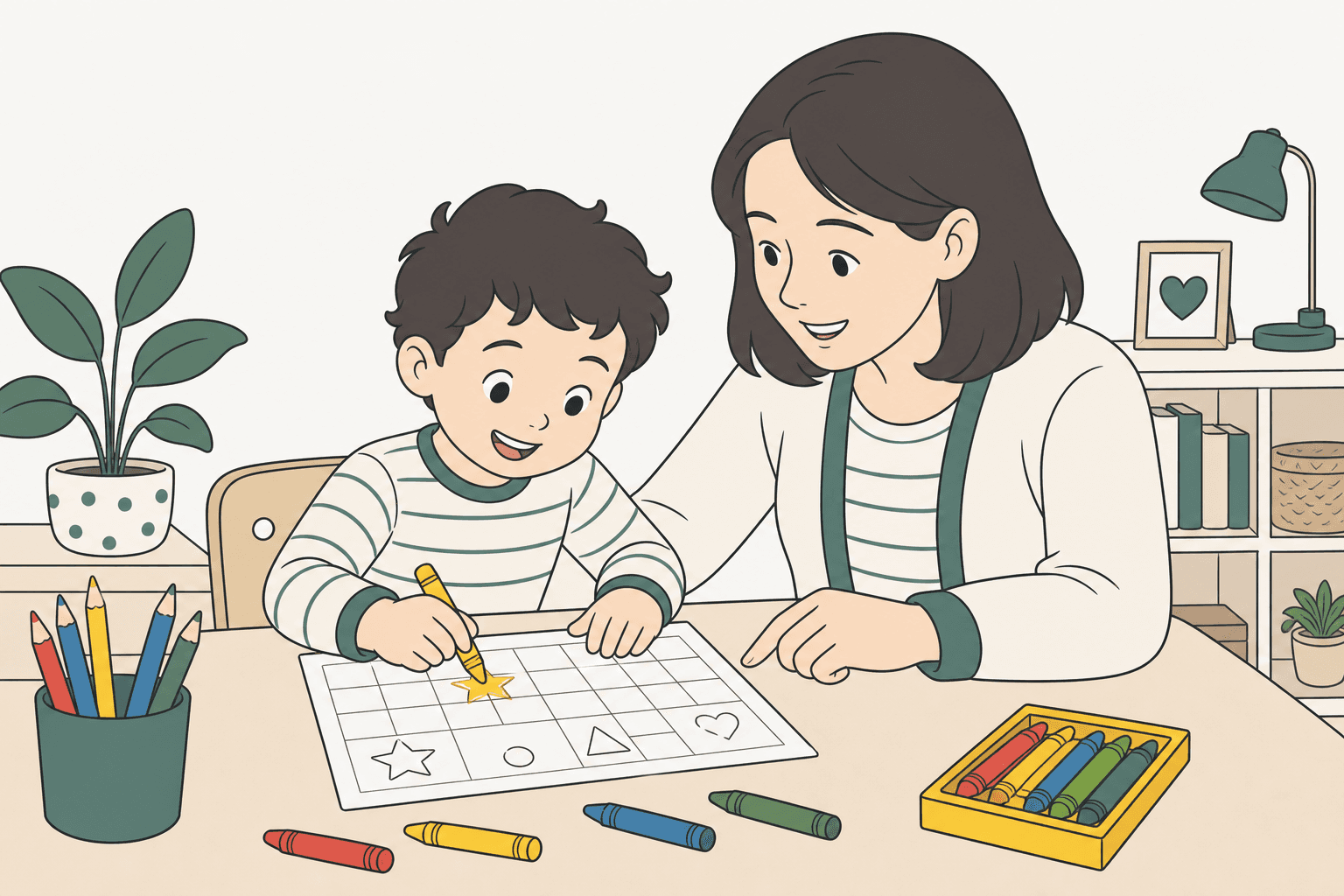
After breakfast, one tracing or colouring sheet while you wash dishes — it signals ‘learning time’ and eases the transition out the door.